The Wednesday Overflow Shelf That Keeps Midweek Chaos From Spilling Everywhere
By Wednesday, the week usually has crumbs everywhere.
A note from Monday. A receipt you meant to file. A tab you still need to come back to. A half-finished task that somehow keeps touching every other task.
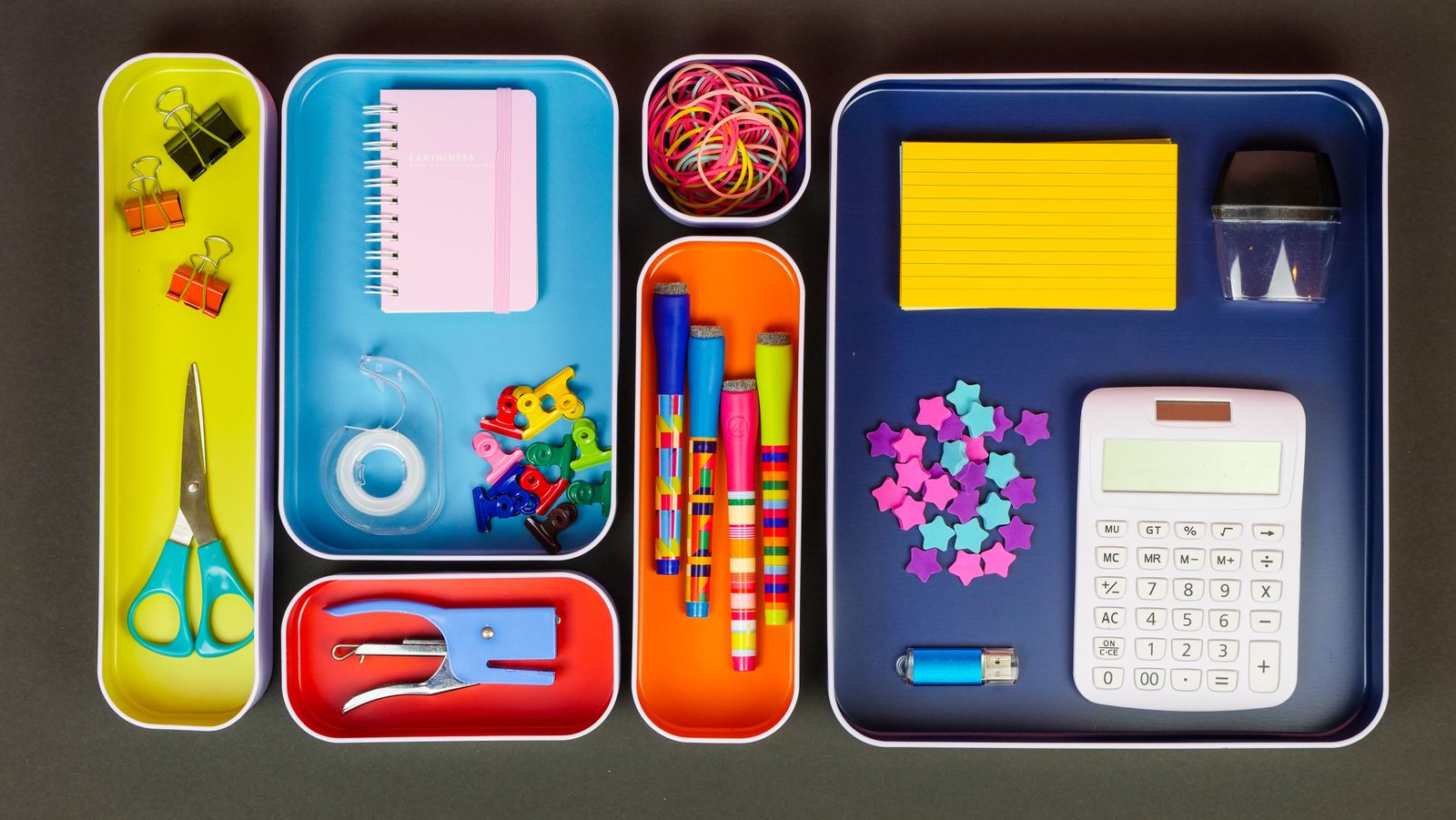
That is where an overflow shelf helps.
Not a junk drawer. Not a giant reorganization project. Just one visible holding zone for the stuff that is floating around your day.
What the shelf is for
Your overflow shelf only needs to hold three kinds of things:
- loose items that still matter
- tasks that are not for right now
- random pieces that need one later sorting pass
That is it.
The goal is not perfection. The goal is containment.
When every loose thing gets one safe landing spot, your brain stops trying to track all of it at once.
Why this works for ADHD
ADHD clutter is often decision clutter.
Every object and unfinished task keeps asking a tiny question.
Where does this go? Do I need it? Should I do it now?
That constant low-grade questioning burns energy fast.
An overflow shelf buys relief.
It tells your brain: this is not lost, this is not urgent, and this does not need a decision this second.
That alone can stop midweek chaos from spilling into the rest of the day.
Use the shelf without turning it into a project
Keep it boring:
- one small tray, basket, shelf, or clear spot
- one label: `later today` or `next pass`
- one quick reset time, ideally late afternoon
Do not sort the shelf every time you touch it. That defeats the point.
Drop the loose thing there, then go back to the actual day.
At the reset time, give each item one next move:
- file it
- trash it
- move it to tomorrow
- turn it into a real task
- put it where it actually belongs
The shelf is not where things live forever. It is where they wait safely until your brain has enough room to decide.
The smallest version
If a shelf feels too official, use the paper version.
Write `overflow` on one sticky note. Put it beside a single stack. Anything that is interrupting your focus but not urgent goes under that note until your reset pass.
That is enough to stop the spread.
If your week keeps getting hijacked by loose ends, give them one clear parking place before they spread.
How to use the overflow shelf on an actual Wednesday
The middle of the week has a specific kind of noise. Monday plans are already dented, Friday still feels too far away, and every half-finished task starts pretending it is equally urgent.
The overflow shelf works best when it is used as a temporary holding zone, not a second task list. Give the loose items a place to land, then choose one next move that protects the rest of the day.
Make three small zones
Split the shelf into three plain labels: today, later this week, and not now. Do not add a fourth zone while you are overloaded. More categories usually create more decisions.
- Today is only for items that genuinely break if ignored before shutdown.
- Later this week is for work that matters, but does not deserve the next hour.
- Not now is for ideas, guilt, admin, and anything that is loud but not actually due.
If a task cannot pick a zone in ten seconds, put it in later this week. You can refine it during shutdown. The goal right now is to stop the pile from running the room.
Protect the next work block
Once the loose items are visible, choose one anchor for the next 25 minutes. Write it as a physical action: open the draft, send the short reply, clear the three invoices, load the dishwasher, or outline the first section.
This keeps the shelf from becoming productive-looking avoidance. Capturing the chaos is useful only if it hands you back to one real move.
Separate true urgency from midweek static
Wednesday pressure can make every open item feel like proof that the week is failing. Slow that down by asking what changes before tomorrow if this item waits. If the answer is nothing specific, it does not belong in today's lane.
Use simple evidence instead of mood: a deadline, a person waiting, a payment window, a pickup time, or a task that blocks other work. Everything else can stay visible without becoming the boss of the next hour.
Give the later-this-week lane a return point
The later lane only works if it has a believable check-in. Write Friday morning, Thursday shutdown, after the meeting, or Sunday reset beside the lane so your brain knows the items were deferred on purpose.
That return point is what turns the shelf from a guilt pile into a holding system. You are not abandoning the work. You are refusing to let every loose thread interrupt the block you are in.
Use one shelf item as proof of progress
If the day feels too tangled, pick one shelf item that can visibly move in under ten minutes. Send the question, put the form by the door, add the appointment, rename the file, or move the next note into the right project.
The point is not to clear the shelf. The point is to show your brain that the shelf can produce movement without becoming a full catch-up marathon.
Keep other people's urgency out of the today lane
Midweek overflow often includes requests that arrived with someone else's panic attached. Before you promote one into today, check whether it has a real deadline, a promised response time, or a consequence you actually agreed to own.
If the request is only loud because it is new, park it in later this week and send a short holding reply if needed. That protects the block you already chose without pretending the request disappeared.
Write the shelf in verbs, not vague reminders
A shelf full of nouns becomes another fog bank: taxes, Mom, email, kitchen, proposal. Turn each item into the smallest visible verb so the next pass has a handle: find receipt, text Mom time, answer Nate, clear sink, add proposal price.
Verb labels reduce the restart cost. When you come back Thursday or Friday, you should not have to re-decide what the item even meant.
Choose the shelf by consequence, not shame
A midweek shelf can get hijacked by the task that feels most embarrassing. That task may matter, but embarrassment is a noisy ranking system. Before you choose what moves next, ask which item changes a real outcome if it waits until tomorrow.
Consequence gives the shelf a calmer order. The bill with a deadline, the message that blocks another person, and the prep step for tomorrow's appointment can rise. The vague self-improvement item, old guilt task, and someday cleanup can stay visible without stealing the work block.
Give stale shelf items one clean exit
If the same item has lived on the shelf for several passes, do not keep copying it forward automatically. Stale items need a decision: schedule it, shrink it, delegate it, or delete it. Rewriting the same reminder every Wednesday only trains your brain to stop trusting the shelf.
Shrinking is usually the kindest first move. Change finish taxes to find one missing receipt, clean garage to put donation bag by the door, or fix project to send one question. If even the smaller version has no real consequence, remove it and let the shelf get lighter.
Leave tomorrow a single restart cue
The shelf is not finished until tomorrow knows where to begin. Circle one item, write the first physical action beside it, and place that cue where you will see it before opening a fresh round of inputs.
This is the handoff that keeps Wednesday overflow from becoming Thursday fog. You are not trying to make the whole week feel solved. You are giving the next version of you one honest doorway back into the work.
Limit the shelf to one visible surface
Overflow stops helping when it spreads across a desk, a notes app, a browser window, and three sticky notes. Pick one visible surface for the shelf during this pass and treat everything else as input, not storage.
If a new item appears somewhere else, copy the smallest verb onto the shelf and close the source if you can. The shelf should become the place you look, not another place you have to remember to check.
Use a holding reply before you reshuffle the day
Some midweek pressure comes from not knowing whether you owe someone an answer right now. If a request matters but does not deserve the current block, send a short holding reply with the next check time.
That tiny reply protects trust without giving the request your whole afternoon. It also keeps the today lane honest: if the only urgent part was acknowledgement, the actual work can stay in later this week.
Retire the shelf after the next handoff
A Wednesday shelf is temporary. After tomorrow's first move is chosen, mark the shelf closed until the next planned check-in. Do not keep returning to it every time your attention gets nervous.
Closing the shelf matters because open review loops can become their own distraction. Once the handoff exists, the job is to trust the handoff long enough to work the next block.
Close the shelf before the day closes you
Before shutdown, scan the shelf and move each item once. One item becomes tomorrow's first move, one item gets scheduled or parked, and one item gets deleted if it was only noise.
If the shelf is mostly interruption fallout, use the ADHD interruption shelf. If it is mostly scattered loose tasks, use the ADHD inbox reset. If the shelf is about making tomorrow easier, use the restart shelf.
choose the help that fits
When reading is not enough, take one contained next step.
Use Restart Rescue for a stalled project, Workday Rescue for a tangled day, One-Room Reset for one overwhelmed space, or the $20 Rescue Hub for all three.
Prefer to watch? Visit ClarityBolt on YouTube