
Why ADHD Cleanup Fails When the Finish Line Is Fuzzy
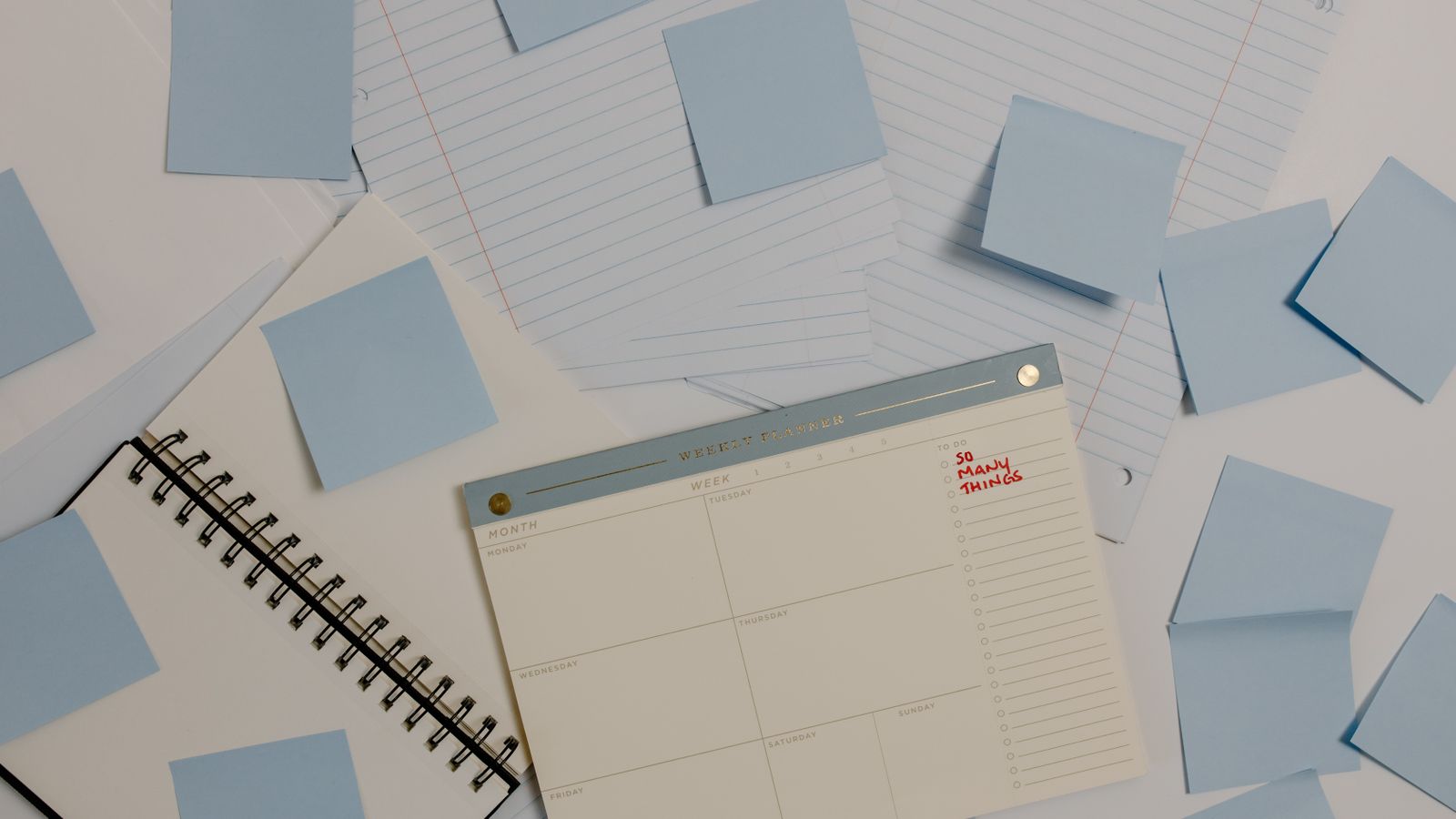
A lot of cleanup trouble is not about laziness. It is about not knowing what counts as done.
If the goal is just “clean the room,” your brain has to make too many decisions. What goes first? How clean is clean enough? What if you run out of energy halfway through?
That fuzzy finish line is expensive. Especially for ADHD brains.
This lines up with a pattern that keeps showing up in ADHD articles, videos, and everyday discussion: starting can be hard, but finishing gets weirdly harder when the interesting part is over and only vague cleanup remains.
Why vague cleanup keeps stalling
A vague task keeps changing while you are doing it.
You pick up one thing. Then another. Then you notice a different mess. Then the job quietly expands.
Now you are not doing one reset. You are negotiating with twenty little choices.
That is how a ten-minute tidy turns into avoidance.
Make “done” visible before you start
The fix is not more guilt. It is a smaller target.
Before you begin, define the finish line in a way you can see.
Examples:
- clear just the top of the desk
- fill one trash bag
- reset one nightstand
- put away everything on one chair
- leave the floor good enough to walk without stepping around piles
Visible beats abstract. Specific beats “I should clean.”
Use three zones
When cleanup feels sticky, use only three zones:
- trash
- put away
- leave for later
That cuts down the mental sorting. You are not solving your whole house. You are just moving items into the next obvious bucket.
The real goal is less drag
A clean space matters. But the bigger win is making the task easier to restart tomorrow.
That is why small visible finish lines work. They create closure. And closure makes return friction lower.
If you have ever spent twenty minutes "cleaning" and somehow made the room feel more chaotic, this is usually why. You were working without a finish line.
Try this tonight
Pick one messy surface. Not a whole room. One surface.
Then decide what “done” means before you touch anything.
If you can see the finish line, you are much more likely to cross it.
Make the finish line small enough to trust
Cleanup gets harder when done keeps moving. You pick up one pile, notice another corner, remember a closet, and suddenly the task has no edge. A useful finish line has to be visible before the first item moves.
Write the finish line as a physical condition, not a feeling. Clear enough, better, and organized are too slippery when your attention is tired. The room needs one test you can pass.
Use a one-surface promise
Pick one surface and name exactly what will be true when you stop: the desk has room for the laptop, the chair has no clothes on it, the counter has no dishes, or the nightstand has only the lamp, book, and water.
This keeps cleanup from becoming a wandering inspection. Other messes can exist. The promise is only about the chosen surface.
Make a later zone on purpose
The later zone is what prevents every loose object from turning into a new project. Use one tray, bag, box, or written list for anything that needs a decision but does not belong inside this reset.
The key is to label it before you start. If the later zone appears only after you are overwhelmed, it will feel like failure. If it is part of the plan, it becomes containment.
Choose the allowed mess before momentum starts
A finish line gets stronger when it also names what is allowed to stay imperfect. Before touching the first item, say the quiet part out loud: the closet can stay messy, the receipts can stay unsorted, the email pile can wait, or the second counter is not part of this reset.
This is not lowering standards. It is protecting the job from surprise expansion. ADHD cleanup often breaks because the brain treats every nearby imperfection as new evidence. Naming the allowed mess removes that evidence from the current trial.
Stop at the first useful version
ADHD cleanup often fails because the useful version gets ignored while your brain chases the ideal version. Stop when the surface can support its next job.
- The desk can hold the next work block.
- The entry table can catch keys without burying them.
- The sink can handle the next meal.
- The floor has a clear walking path.
That is not quitting early. That is finishing the task you actually chose.
Use a closing photo or sentence
If stopping feels unsafe, give your brain a receipt. Take one quick photo, or write one sentence: desk ready for invoice, counter ready for dinner, chair clear for tomorrow clothes, floor path open.
The receipt matters because cleanup wins can disappear emotionally after the room still contains other mess. A closing proof lets you stop without renegotiating the task five minutes later.
Leave a restart marker
If the reset exposes a bigger cleanup job, leave a marker for the next pass instead of expanding the current one. Write next: drawer papers, next: laundry basket, or next: mail pile.
This protects the win. You get closure now and a cleaner doorway back in later.
Separate trash, homes, and decisions
Cleanup gets fuzzy when every object asks a different question at the same time. Give the pass three lanes only: trash leaves, items with obvious homes return, and undecided objects go to the later zone without debate.
This keeps the reset from turning into a values audit. A cable does not need its life story settled before the desk can become usable. If the next move is not obvious in five seconds, the item belongs in the decision lane.
Use one closing reset before you inspect
When the promised surface is clear, do one practical reset before looking for more work: push in the chair, wipe the counter, stack the returned notebook, or put the bag back by the door. Then stop and check against the original finish line.
The closing reset gives your brain a physical end cue. Without it, the room can still feel active, and active rooms invite one more improvement. The goal is not a perfect room. The goal is a surface that can do its next job.
Protect the finish line from category creep
Category creep is when cleanup quietly changes from this surface into all papers, all clothes, all kitchen stuff, or every object that reminds you of another problem. It feels logical in the moment because each new category is related. It still breaks the promise.
If a category starts pulling you away, write it on the restart marker and return to the original surface. The finish line is allowed to be boring. Boring is often what makes it finishable.
Give almost-done objects a temporary home
Some objects are not trash, not ready to file, and not worth solving during the reset. Put them in a named temporary home: mail to answer, clothes to decide, cables to test, receipts to check, or items to return.
The name matters because it prevents the temporary home from becoming a shame box. You are not hiding the problem. You are removing it from the current finish line so the surface can work again.
End with one next-use test
Before you declare the reset done, ask one practical question: can I use this surface for its next job without moving another pile first? If the answer is yes, stop. If the answer is no, move only the pile that blocks the next use.
This keeps cleanup tied to function instead of mood. You do not need the room to feel transformed. You need the desk, counter, chair, floor, or table to be available for the next real thing.
Make the leftover pile honest
If the reset leaves a leftover pile, give it a truthful label before you walk away. Unsorted mail, returns to make, papers to scan, clothes to decide, or tools to put back is better than miscellaneous. Miscellaneous is where finish lines go to blur again.
The label should describe the next kind of action, not the emotional weight of the pile. This keeps the leftover from turning into proof that the reset failed. It is simply the next contained job, separate from the surface you just made usable.
Use distance to protect the clear surface
Move the later zone far enough away that it does not visually reclaim the surface. A box on the floor beside the desk may still feel like desk clutter. A tray on the shelf, a bag by the door, or a single note on the wall gives the clear area room to stay clear.
Distance is not avoidance. It is a boundary your attention can understand. The reset is easier to trust when the finished surface and the unfinished container are not fighting for the same square foot.
Repeat the same finish line next time
When a finish line works, reuse it before inventing a better one. The desk has room for the laptop, the counter can make dinner, and the chair is clear for clothes are boring on purpose. Repetition lowers the startup cost of the next cleanup pass.
ADHD brains often want a new system after every messy week. A repeated finish line builds trust faster than a fresh organizing idea. The win is not novelty. The win is knowing exactly where cleanup is allowed to stop.
If the mess keeps becoming an old open-loop pile, use the doom pile next-move reset. If the problem is one noisy work surface, use the 90-second desk reset. If you need a whole room to feel less loud, use the One-Room Reset.
choose the help that fits
When reading is not enough, take one contained next step.
Use Restart Rescue for a stalled project, Workday Rescue for a tangled day, One-Room Reset for one overwhelmed space, or the $20 Rescue Hub for all three.
Prefer to watch? Visit ClarityBolt on YouTube