
The ADHD Launch Pad: Stop Searching for the Same Essentials Every Morning
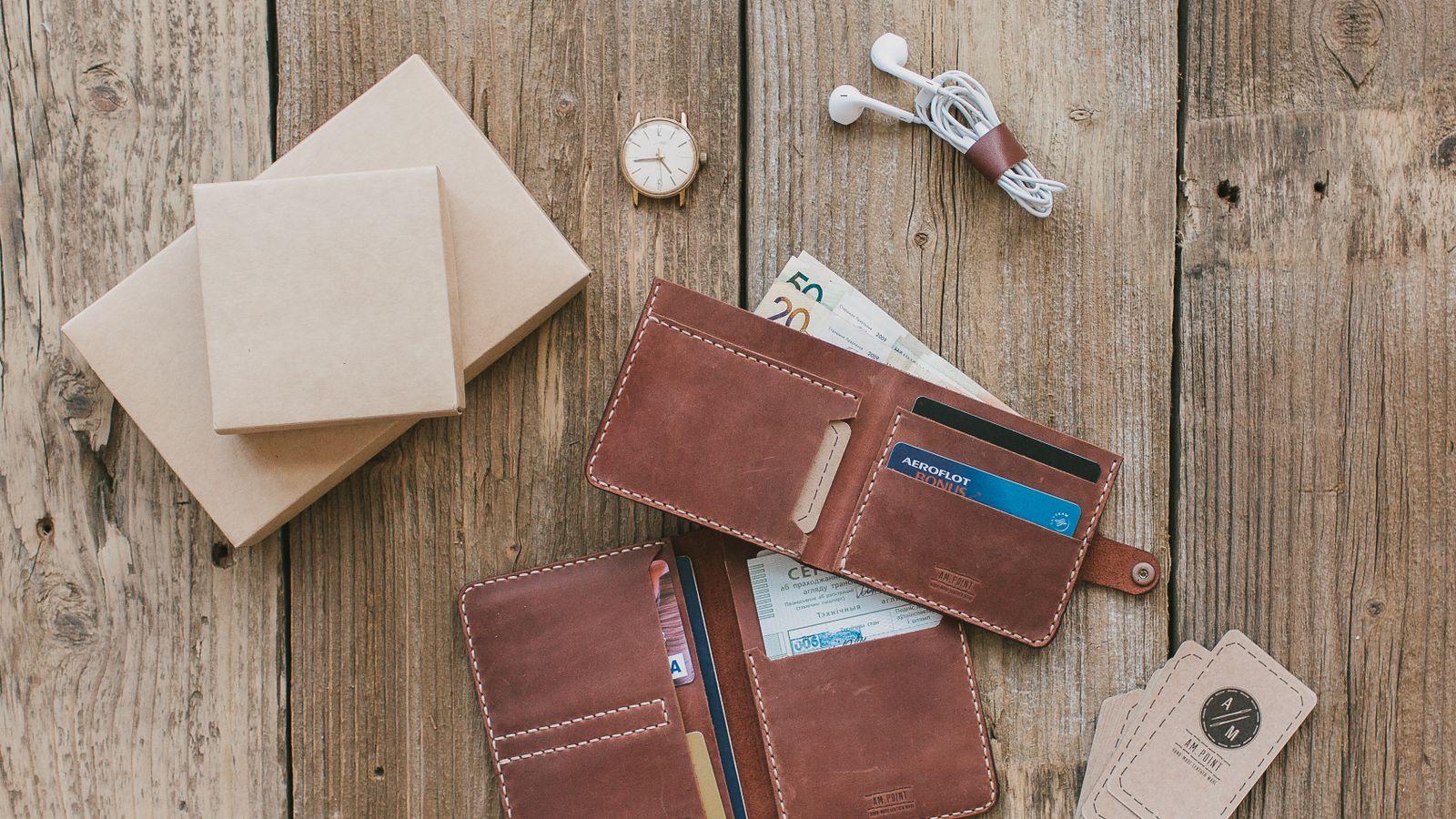
You are ready to leave, except your keys are missing. Then your wallet. Then the charger you were sure was on the counter.
Ten rushed minutes later, the day has already collected a frustration tax.
This is not a character flaw. Daily essentials become hard to retrieve when they do not have one obvious home. An ADHD launch pad solves that problem by putting the items you need to leave in one visible, repeatable place.
What belongs on the launch pad
Keep it small. The launch pad is for the few things that regularly leave the house with you:
- keys
- wallet
- work badge
- sunglasses
- earbuds
- medication or a reminder tied to it
- the bag that needs to go out tomorrow
Do not turn it into general storage. If everything belongs there, nothing is easy to see.
Put it where the action happens
Choose the spot based on your actual path, not the prettiest location.
The best launch pad is near the door you use most, or beside the place where you naturally empty your pockets. A shallow tray, small basket, hook, or clear section of a shelf is enough.
Visibility matters. A beautiful closed drawer can become an invisibility cloak. Use open storage unless visual clutter creates more friction for you.
Use a one-touch return rule
The system works when returning an item is easier than dropping it somewhere random.
When you come home, put each essential directly on the launch pad. Do not place the keys on the counter “for now.” That temporary stop is usually where the next search begins.
If the return step keeps failing, move the launch pad closer. Fix the environment before blaming your memory.
Add tomorrow's one unusual item
Most morning problems come from the item that is not part of the normal set: a return package, signed form, library book, or lunch in the refrigerator.
Place that item on the launch pad the night before. If it must stay cold, put a large note or safe visual cue with the regular essentials.
One unusual item is useful. A pile of future intentions is not.
Reset it in sixty seconds
Once a day, remove receipts, loose mail, and anything that wandered into the space. Then check that the core items are back.
This is not a cleaning project. It is a sixty-second reset that protects tomorrow morning.
Try the smallest version today
Pick one container or one clear surface near your usual exit. Put your keys, wallet, and one other daily essential there.
Use it for three days before adding anything else.
The goal is not a perfect entryway. The goal is to stop making your brain solve the same scavenger hunt every morning.
If daily essentials, loose tasks, and tomorrow's priorities keep living in different places, make the important things visible.
Make the launch pad easier than the usual drop zone
A launch pad only works if it wins against the place your hand already wants to drop things. If the tray is pretty but three steps away from the real entry path, it becomes another idea you have to remember instead of a support you can use.
Start by watching the current pattern for one normal day. Where do keys actually land? Where does the wallet disappear? Which counter, table, chair, bag, or coat pocket keeps becoming the temporary home?
Move the home to the habit path
Put the launch pad as close as possible to the existing drop zone before trying to change your behavior. ADHD systems get stronger when the environment does more of the remembering.
- If keys land on the kitchen counter, put the tray on that counter first.
- If the wallet stays in yesterday's pants, add a small basket where clothes come off.
- If the work badge vanishes in the car, put a hook or pouch beside the bag that leaves with you.
- If the charger migrates, give it one visible cord keeper near the door or desk.
You can make the launch pad prettier later. First make it reachable at the exact moment the item leaves your hand.
Give every essential one visible landing shape
Loose items vanish more easily when the space does not say what belongs there. Use shape as a cue: one hook for keys, one tray for wallet and earbuds, one clip for badge, one basket for tomorrow's outgoing item.
The point is not decoration. The point is quick mismatch detection. If the hook is empty, keys are missing. If the basket is full of mail, the launch pad has drifted into storage and needs a sixty-second reset.
Add the leaving check, not a morning lecture
A useful launch pad should reduce morning narration. Instead of telling yourself to remember everything, use one short leaving check: keys, wallet, phone, badge, bag.
Keep the check visible near the launch pad if mornings are fast or crowded. A sticky note, small card, or label is enough. Do not turn it into a full routine board unless the missing items prove you need more structure.
Build the pad for the return trip too
Most launch pads fail because they are treated like a morning tool only. The real decision happens when you come home tired, distracted, carrying bags, answering a text, or thinking about dinner. That is when the essential either lands in the system or starts tomorrow's search.
Add one return cue that happens before the house fully claims you: hand touches hook before shoes come off, wallet goes in tray before the phone charger, badge clips to bag before the laptop opens, or lunch container lands beside tomorrow's bag before the kitchen counter fills up.
Keep duplicates from weakening the signal
Backups can help, but too many duplicate landing spots make the launch pad negotiable. If there are three possible key bowls, your brain has to remember which version of the system won today. That is not support. That is a scavenger hunt with nicer containers.
Pick one primary home for each item and make any backup visibly different. Spare keys can live in a labeled drawer. The daily keys get the hook. Extra chargers can live in a bin. The leaving charger stays at the pad. The difference should be obvious when you are moving fast.
Handle the one weird item separately
The unusual item is what breaks the system: the package return, permission slip, library book, paperwork, medication refill, or lunch in the refrigerator. Give that item a louder cue than the normal essentials.
Put it in the launch pad basket if it can safely live there. If it cannot, leave a physical placeholder where your eyes already go: an empty lunch bag, a note on the keys, or the return label clipped to the wallet.
Use a missing-item drill before the real morning
A launch pad is easier to trust after one tiny rehearsal. Pick the most annoying item to lose and run the path once at a calm time: come in, place it, leave the room, return, and grab it from the pad. The point is not practice for practice's sake. It gives your brain a recent example of the system working.
If a step feels awkward during the drill, change the environment immediately. Move the hook lower, turn the tray sideways, remove the lid from the basket, or put the card where your hand naturally pauses. Friction that shows up in rehearsal will become avoidance when the morning is loud.
Separate everyday essentials from special-trip items
The launch pad gets harder to trust when daily essentials and occasional errands fight for the same space. Keys, wallet, phone, badge, medication, or the bag that leaves every day should have the clearest landing spots. Library returns, donation bags, packages, and once-a-week paperwork can use a separate outgoing corner.
This keeps the pad from becoming a general staging area. The daily check should stay fast enough to run while you are tired, late, or half-listening to something else.
Make the missing signal obvious before morning
A good launch pad does not just hold items. It tells you when something is absent. Leave enough empty space around each home that a missing object looks wrong at a glance.
If the key hook is hidden behind coats or the wallet tray is buried under mail, the system cannot warn you early. Clear the visual signal at night so the morning check is confirmation, not detective work.
Use one night-side reset for tomorrow's exit
The strongest launch pad moment often happens the night before. Before shutdown, touch each daily essential once and ask whether it is ready to leave: keys on hook, wallet in tray, phone charging, bag packed, badge clipped, weird item marked.
Keep the pass short. You are not packing for every possible version of tomorrow. You are removing the predictable morning search while your brain still has a little context left.
Protect the pad from incoming mail
Mail is one of the fastest ways a launch pad turns into a pile. Envelopes, receipts, flyers, appointment cards, and school papers feel related because they came through the same door, but they do not all help you leave tomorrow.
Give incoming paper a separate drop rule: trash, scan, admin tray, or calendar. If a paper truly has to leave with you, clip it to the outgoing item or put it in the basket with one visible label. Everything else should move away from the daily essentials before it teaches the pad to disappear.
Make the phone rule boring
Phones complicate launch pads because they are both an essential and a distraction. Decide whether the phone lives on the pad, charges nearby, or only visits the pad during the leaving check. Do not let that choice happen fresh every night.
A boring phone rule protects the system from becoming a scrolling doorway. If the charger is part of the pad, place it so plugging in the phone does not cover keys, wallet, badge, medication, or the one weird item that has to leave.
Retire the version that only worked for last month
A launch pad can go stale after a schedule change, new bag, different entrance, winter coat, school year, travel week, or job shift. If the old pad suddenly feels easy to ignore, do not treat that as failure. Treat it as evidence that the path changed.
Move the home to the new path instead of trying to obey the old one harder. The system should follow the route your body is actually taking now, not the route that made sense when the week looked different.
Reset the pad before it becomes a pile
Once a day, remove anything that is not helping you leave. Receipts, mail, random screws, old notes, and yesterday's snack wrapper do not get to rent space from tomorrow morning.
If the launch pad keeps collecting unrelated clutter, shrink it. A smaller tray, one hook, or one basket can be easier to defend than a wide surface with room for every loose object.
If the problem is tomorrow's first work move, use the shutdown breadcrumb. If the mess is spread across a whole room, use the One-Room Reset. If loose reminders are hijacking work blocks, use the ADHD parking lot.
choose the help that fits
When reading is not enough, take one contained next step.
Use Restart Rescue for a stalled project, Workday Rescue for a tangled day, One-Room Reset for one overwhelmed space, or the $20 Rescue Hub for all three.
Prefer to watch? Visit ClarityBolt on YouTube